The Evolution of Slot Volatility: From Mechanical Stability to High-Risk Online Thrills
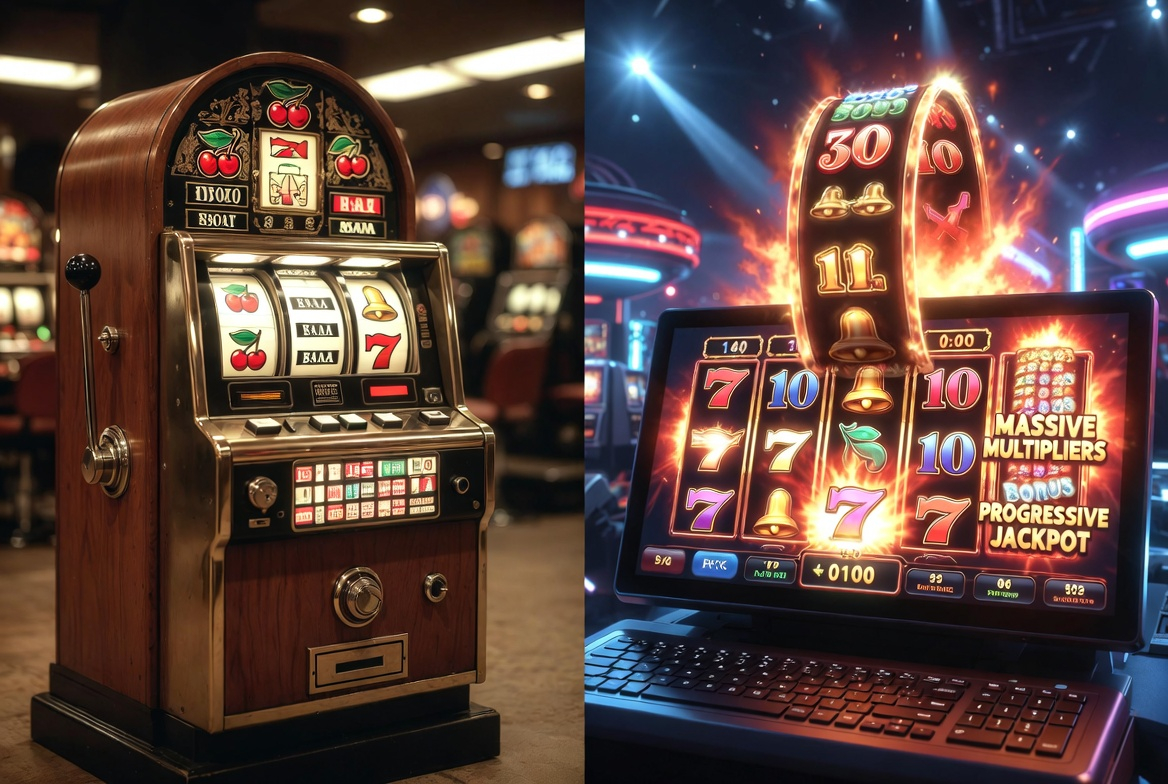



Early Mechanical Era: Built-in Low Volatility
From the late 1800s through the middle of the 20th century, slots were purely mechanical beasts. Charles Fey’s Liberty Bell set the standard with its simple reels and few symbols. Payouts came fairly regularly but stayed small, naturally resulting in low volatility. The whole point was endurance: keep players feeding coins without wiping them out too fast. Huge jackpots weren’t even possible—the hardware couldn’t handle complex odds or massive prizes. Everything stayed steady and modest to maximize time on the machine.
Electromechanical Breakthrough: Gaining Control Over Variance (1960s–1980s)
Things loosened up in the 1960s with electromechanical slots. Bally’s 1963 Money Honey brought more intricate payout setups, hinting at what was possible. By the 1970s and 1980s, video slots arrived, swapping gears and levers for software. This let designers fine-tune hit frequencies and sizes, officially splitting games into low, medium, and high volatility categories. Now providers could appeal to different crowds: casual players wanting steady action versus those hunting bigger, rarer thrills.
Online Boom: High Volatility Takes Center Stage (1990s–2010s)
The internet era unleashed creativity. Reliable RNGs and online casinos removed old physical barriers. High-volatility games surged forward—think Play’n GO’s Book of Dead, Big Time Gaming’s Megaways mechanic, and progressive jackpots. These titles chased enormous multipliers, sometimes 5,000x, 10,000x, or more on a single spin. Volatility became a selling point: the rush of near-misses and the dream of a life-changing hit drew in adrenaline junkies. Platforms experimented freely, tipping the scales toward infrequent but spectacular wins over constant small drips.
Current Scene (2025–2026): High-Risk Dominance with Some Balance
Today high-volatility features rule new launches. Megaways layouts, cascading reels, crash-inspired games, and Bonus Buy shortcuts let players jump straight to the exciting parts. Even many medium- or low-risk slots now include buy-bonus options for instant access to big potential. Developers toy with hybrid ideas, but regulations in most places block dynamic, player-specific changes mid-session. Still, the market isn’t all-or-nothing—low- and medium-volatility games hold steady appeal for bonus clearing, marathon sessions, beginners, and anyone who likes predictable pacing over wild swings.
Player Choices and Industry Momentum
High-volatility slots grab headlines, but lower-variance ones keep players coming back longer and support wagering playthroughs. Recent reports point to a split trend: rapid uptake of fast, intense formats paired with renewed demand for calmer, classic styles to boost retention. The online gambling sector (where slots drive a huge chunk) hit roughly $90–105 billion in 2025, with forecasts climbing toward $150–200 billion or more by 2030, fueled by mobile play, fresh themes, and constant innovation. Volatility ranks high on decision lists—modern sites display it openly next to RTP, empowering informed picks.
Overall Impact on the Industry
Slot volatility started as a mechanical necessity for stability, grew into software-driven variety during the digital shift, and now powers marketing in a high-stakes online world while still offering options for every taste. It echoes wider entertainment trends: moving from slow-burn patience to quick, intense highs. With AI tailoring experiences and rules tightening or loosening by region, volatility will stay a core element—striking that tricky balance between excitement and long-term play in a crowded, worldwide market.